Cooking Split Peas

Tasty But Tricky
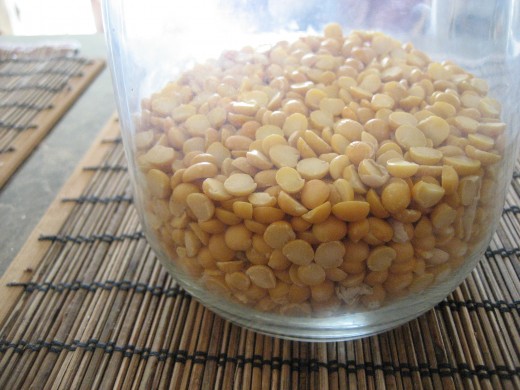
I was inspired to write about cooking split peas after a recent experience. I'd had some yellow split peas in my pantry for many months, and I figured I should probably use them. So, I found a recipe for an Ethiopian dish called Kik Alicha, and got to work. I soaked my yellow split peas for seven hours, then started to boil them as I prepared the rest of the ingredients. However, even after an hour of boiling, the peas weren't quite cooked into a mash - they were soft enough to bite through, but still quite crunchy.
I figured that the fact they'd softened a little meant they needed more cooking time. So I left them to soak overnight, then started to boil them again the next morning. After a few hours, they finally cooked!
Using dried split peas is a great way to save money, and using whole ingredients like these is good for your health. I'd like to cook more with split peas in the future, so I did some research to figure out what had gone wrong (the recipe originally called for a cook time of 30 minutes).
I visited sites such as this one about 'split pea duds,' and learned what I'd pretty much figured out already: age has a lot to do with the cookability of dried split peas. These definitely weren't fresh, so I'm pretty sure that's what went wrong. In the future, I know I'll have more success with fresher split peas.
Some people believe that adding salt early during the cooking process and/or soaking the peas before boiling can affect whether or not they soften properly, but from my experience with cooking other types of dried legumes and beans, I don't think this matters as much as the age of the product.
From my experience and research, these are the things I've learned that help ensure you'll have success cooking split peas:
- Try to get fresh split peas. Sometimes dried split peas can sit around for a while before being used. If you're unsure how old they are, ask.
- Split peas in bags are more likely to be fresh. Storage in humid conditions, such as open bins in health food stores, can make split peas more difficult to cook. Purchasing split peas in a sealed plastic bag can help..
- Store your split peas in an airtight container. Any moisture that gets into the peas during storage will make them less likely to soften.
- Use them as soon as possible. Dried legumes can last a while in the pantry, but they still have a limited shelf-life. Keep track of how old your beans and legumes are.
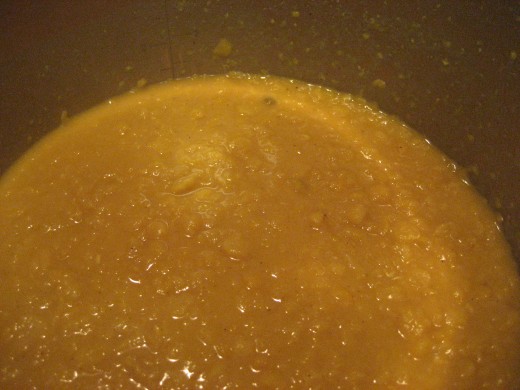
Here Are the Split Peas After Several Hours!